The World Bank
Researchers and government teams can ask a complex policy question, read a synthesis drawn from fragmented sources, and inspect the evidence behind each claim.

An AI answer is only useful here if the user can verify where it came from.
Challenge
Useful evidence was spread across reports, datasets, and institutional sources. Search could find documents, but it still left researchers to open, read, compare, and judge them one by one. Adding AI made synthesis faster, but also introduced a new trust problem.
Outcome
I designed the answer and its evidence as one experience. Sources stay close to the claims they support, long material is easier to compare, and uncertainty is shown rather than smoothed over. The product helps users reach the evidence faster without asking them to trust a black box.
Begin with the policy question
The search experience is shaped around the question a researcher is trying to answer, rather than forcing them to guess which database or publication might contain it.
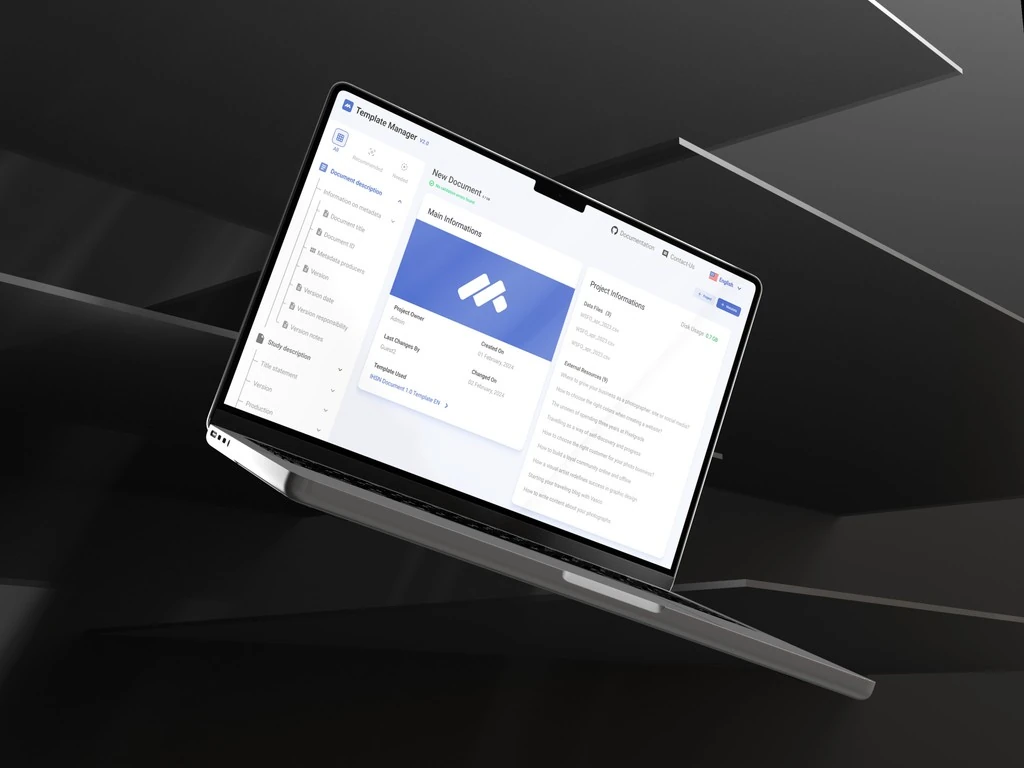
Keep evidence next to the answer
Sources remain visible alongside the synthesis. Users can move from a claim to its origin instead of treating the AI response as a closed conclusion.
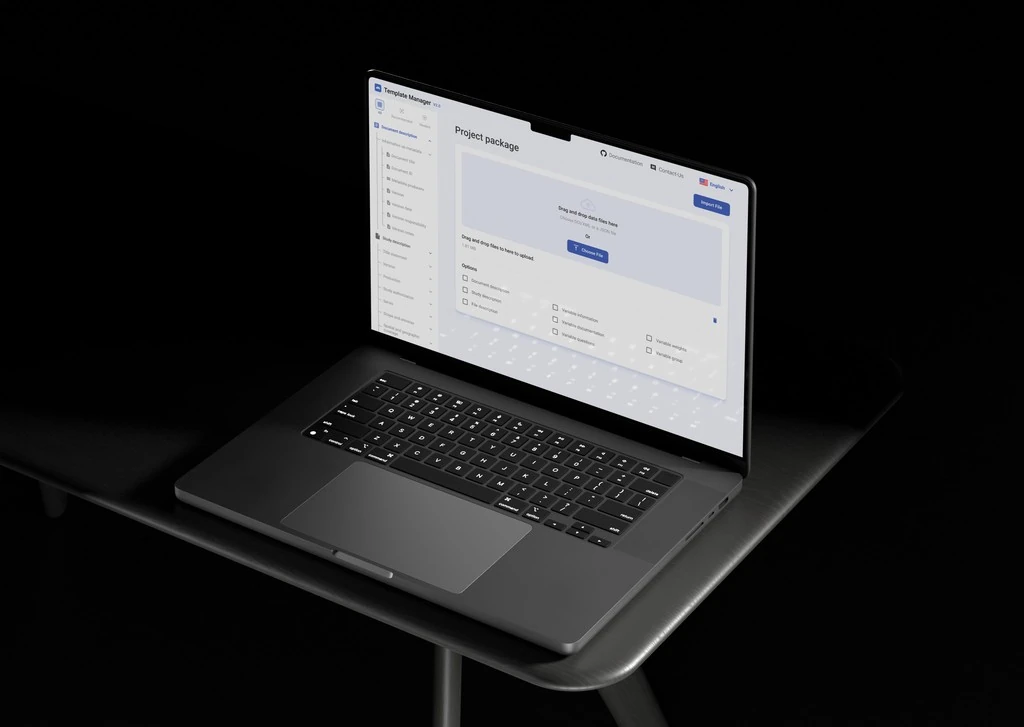
Make dense material easier to compare
Long reports, indicators, and supporting documents are structured into readable pieces while preserving the context needed for serious research.
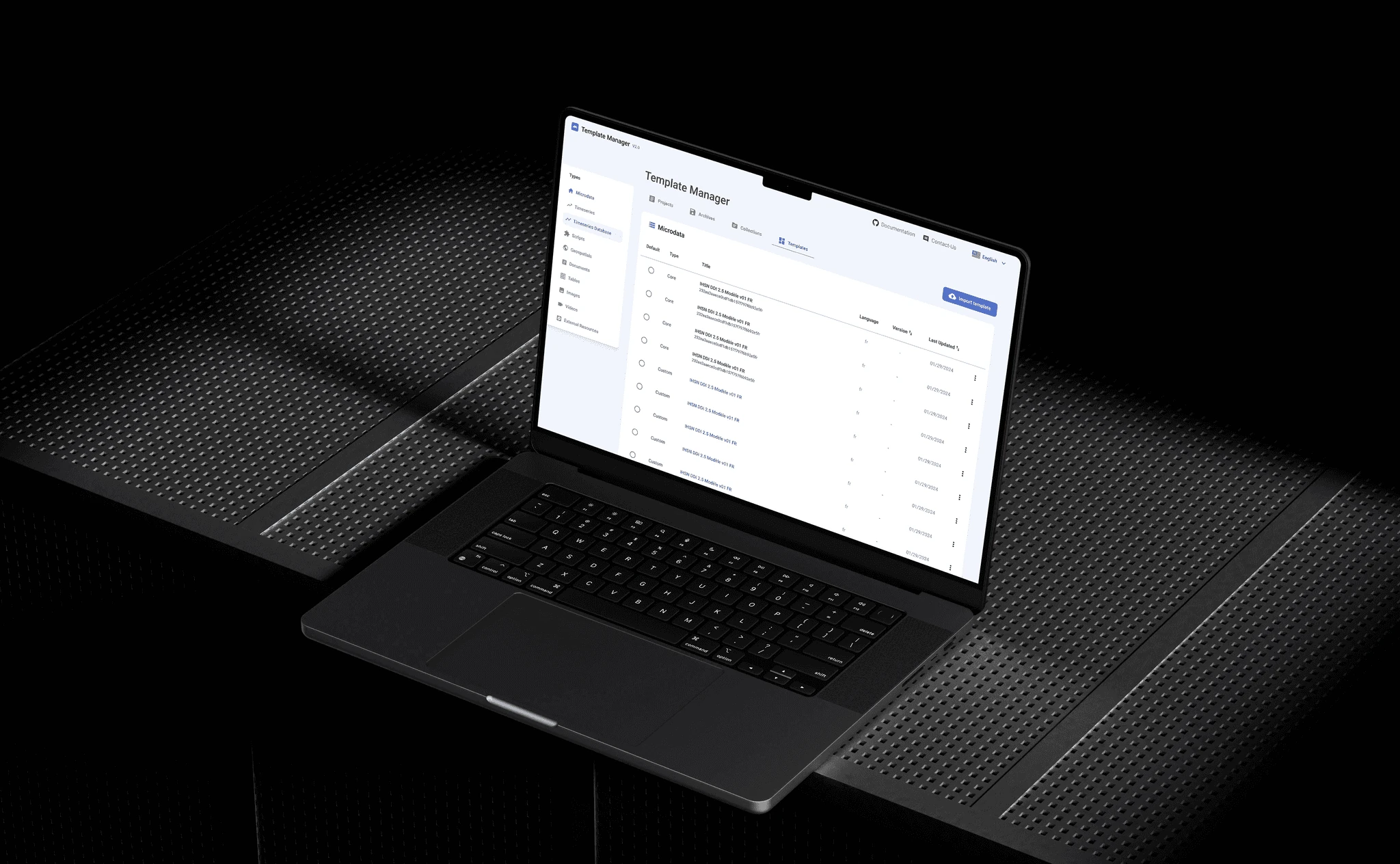
Use AI without asking for blind trust
The interface separates generated synthesis from source material and makes uncertainty visible. The aim is to support judgment, not replace it.